
If you have a damaged, weakened, or severely decayed tooth, a dental crown can restore its strength, function, and appearance. At Diamond Dental Spa, we provide high-quality dental crowns in Woodland Hills that are custom-made to blend seamlessly with your natural smile. Whether you need to protect a cracked tooth, restore a dental implant, or complete a root canal treatment, our experienced dental team offers personalized care using advanced technology and durable materials.
This guide explains everything you need to know about dental crowns, including when they’re needed, the treatment process, benefits, and how to care for your new restoration.
What Is a Dental Crown?
A dental crown is a custom-made cap that completely covers a damaged or weakened tooth. It restores the tooth’s shape, size, strength, and appearance while protecting it from further damage.
Modern dental crowns are designed to look and function like natural teeth. They are carefully matched to the color of your surrounding teeth, making them virtually unnoticeable.
Dental crowns are commonly made from:
- Porcelain
- Ceramic
- Zirconia
- Porcelain fused to metal (PFM)
- Gold or metal alloys
At Diamond Dental Spa, we recommend the best crown material based on your individual needs, the location of the tooth, and your cosmetic goals.
When Do You Need a Dental Crown?
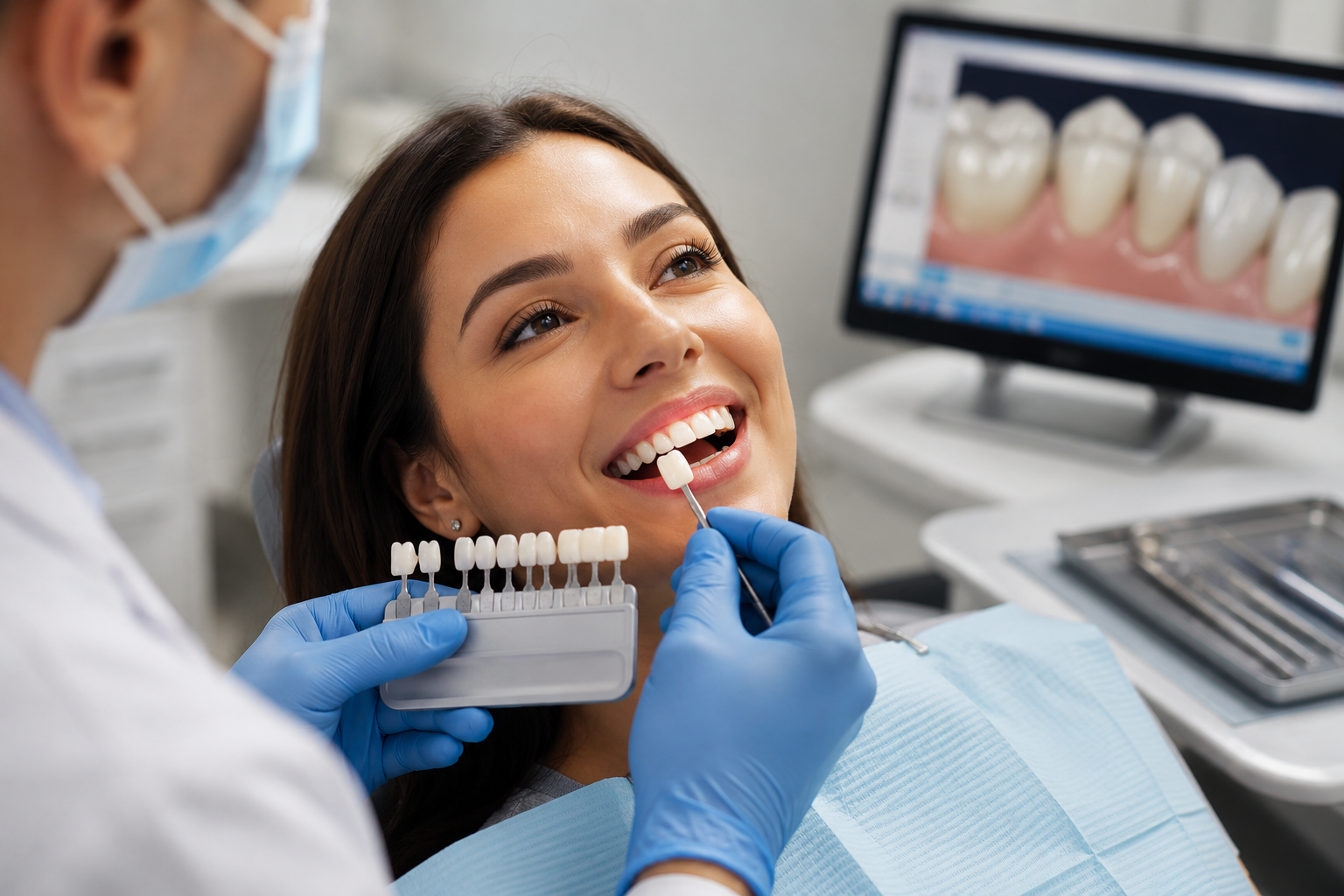
A dental crown is recommended when a tooth has become too damaged or weakened to be restored with a traditional filling. Crowns provide full coverage, protecting the remaining tooth structure while restoring its strength, function, and appearance. Your dentist will evaluate your tooth and recommend a crown if it offers the best long-term solution.
Here are some of the most common reasons you may need a dental crown:
Large Cavities
When tooth decay is extensive, there may not be enough healthy tooth structure left to support a filling. In these cases, a dental crown covers and protects the remaining tooth, preventing further damage while restoring its strength and chewing ability.
Cracked or Broken Teeth
A cracked or fractured tooth is more vulnerable to additional damage every time you bite or chew. A dental crown acts like a protective shield, holding the tooth together and reducing the risk of the crack spreading, which may help avoid the need for extraction.
After Root Canal Treatment
Root canal therapy removes infected tissue from inside the tooth, but it can also leave the tooth more brittle. Placing a dental crown after treatment helps reinforce the tooth, protects it from fractures, and restores normal function.
Worn or Weakened Teeth
Teeth can become worn down over time due to teeth grinding (bruxism), clenching, acid erosion, or everyday wear. A dental crown rebuilds the tooth’s original shape and height, improving both your bite and the appearance of your smile.
Cosmetic Smile Enhancement
While crowns are primarily restorative, they can also improve the appearance of teeth that are severely discolored, misshapen, worn, or damaged. When cosmetic concerns are combined with structural issues, a crown offers both functional and aesthetic benefits.
Restoring Dental Implants
A dental implant replaces the root of a missing tooth, but it requires a custom-made crown to complete the restoration. The crown is securely attached to the implant, creating a replacement tooth that looks, feels, and functions like a natural tooth.
Replacing Large or Failing Fillings
Old or large fillings can weaken a tooth over time and may eventually crack or fail. If there is insufficient healthy tooth structure remaining, replacing the filling with a dental crown provides greater protection and long-term durability.
Protecting Weak Teeth
Some teeth become weakened due to repeated dental procedures, fractures, or developmental conditions. A dental crown helps preserve these teeth by providing full coverage and reducing the likelihood of future damage.
Supporting a Dental Bridge
Dental crowns are also used to anchor dental bridges. The crowns are placed on the healthy teeth adjacent to a gap, securely supporting the bridge that replaces one or more missing teeth.
Benefits of Dental Crowns
Dental crowns in woodland hills offer more than just a cosmetic improvement—they restore the strength, function, and appearance of damaged teeth. Whether you need to repair a cracked tooth, protect a weakened tooth after a root canal, or replace a missing tooth with a dental implant, a custom dental crown provides a durable and natural-looking solution.
Here are some of the key benefits of dental crowns:
Restores Chewing Ability
Damaged or weakened teeth can make eating uncomfortable and limit the foods you enjoy. A dental crown restores the tooth’s strength, allowing you to chew comfortably and confidently.
Protects Weakened Teeth
Crowns completely cover the visible portion of the tooth, providing an extra layer of protection against fractures, cracks, and everyday wear. This helps preserve the remaining healthy tooth structure.
Prevents Further Damage
Without proper protection, a damaged tooth may continue to deteriorate over time. A dental crown reinforces the tooth, reducing the risk of additional decay, breakage, or the need for more extensive treatment.
Enhances Your Smile
Modern porcelain and zirconia crowns are custom-designed to match the size, shape, and color of your surrounding teeth. The result is a restoration that blends naturally with your smile while improving the appearance of damaged or discolored teeth.
Natural-Looking Results
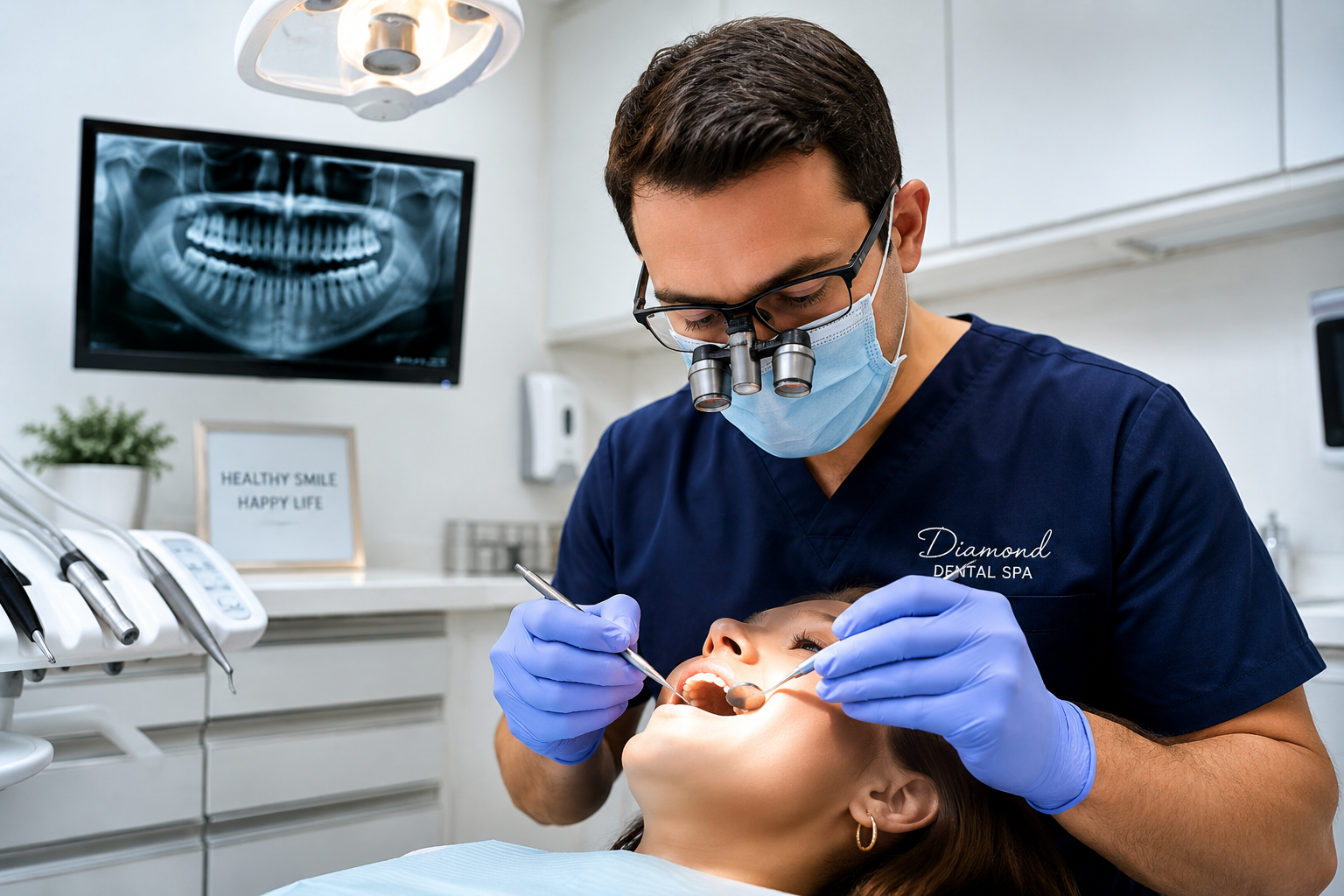
Today’s dental crowns are crafted from advanced materials that closely mimic the translucency and color of natural tooth enamel. Most people won’t be able to tell the difference between your crown and your natural teeth.
Long-Lasting Durability
With proper oral hygiene and regular dental checkups, high-quality dental crowns can last 10 to 15 years or even longer. Their durability makes them an excellent long-term investment in your oral health.
Comfortable, Custom Fit
Every dental crown is custom-made to fit your tooth precisely. This ensures a comfortable bite, minimizes irritation, and allows the crown to function just like a natural tooth.
Supports Clear Speech
Missing, broken, or severely worn teeth can sometimes affect pronunciation. By restoring the proper shape and position of your tooth, a dental crown can help improve speech clarity.
Restores Proper Bite Alignment
A damaged or worn tooth can alter the way your teeth come together when you bite. A well-fitted dental crown restores proper alignment, helping distribute biting forces evenly and reducing unnecessary stress on surrounding teeth.
Preserves Your Natural Tooth
Whenever possible, preserving your natural tooth is the best option for your long-term oral health. Rather than removing the tooth, a dental crown strengthens and protects it, allowing you to maintain your natural smile for many years.
Improves Overall Oral Health
By restoring damaged teeth and preventing further complications, dental crowns contribute to better overall oral health. They help maintain proper tooth function, protect neighboring teeth, and reduce the likelihood of future dental problems.
Types of Dental Crowns
Dental crowns are available in several materials, each offering unique benefits depending on the location of the tooth, your oral health needs, and your cosmetic goals. During your consultation at Diamond Dental Spa, our dentist will recommend the most suitable type of crown based on your individual treatment plan.
Porcelain Crowns
Porcelain crowns in woodland hills are one of the most popular choices for patients seeking a natural-looking smile. They closely mimic the color, texture, and translucency of natural tooth enamel, making them an excellent option for restoring front teeth and other visible areas of the mouth.
Benefits of porcelain crowns include:
- Highly aesthetic and natural-looking
- Custom color-matched to surrounding teeth
- Metal-free construction
- Resistant to stains
- Comfortable and biocompatible
- Ideal for front teeth and smile makeovers
Porcelain crowns are perfect for patients who want to restore damaged teeth without compromising the appearance of their smile.
Zirconia Crowns
Zirconia crowns in woodland hills are known for their outstanding durability and strength while still offering excellent aesthetics. Made from advanced ceramic material, they can withstand significant biting and chewing forces, making them an ideal choice for molars and other teeth exposed to heavy pressure.
Benefits of zirconia crowns include:
- Extremely strong and durable
- Highly resistant to chips and fractures
- Excellent for back teeth
- Natural-looking appearance
- Biocompatible and metal-free
- Long-lasting performance
Because zirconia crowns combine beauty with exceptional strength, they are one of the most recommended options for patients who want a durable, long-term restoration.
Porcelain-Fused-to-Metal (PFM) Crowns
Porcelain-fused-to-metal crowns feature a durable metal framework covered with a layer of tooth-colored porcelain. This combination provides added strength while maintaining a natural appearance.
Benefits of PFM crowns include:
- Strong and durable construction
- Natural-looking porcelain exterior
- Reliable performance for everyday chewing
- Suitable for both front and back teeth in many cases
- Proven long-term success
Although newer all-ceramic materials have become increasingly popular, porcelain-fused-to-metal crowns remain an effective restorative option for many patients.
Which Type of Dental Crown Is Right for You?
The best type of dental crown depends on several factors, including the location of the tooth, the amount of remaining tooth structure, your bite, your cosmetic preferences, and your budget. During your consultation, the team at Diamond Dental Spa will explain your options and recommend the material that offers the ideal balance of strength, durability, and aesthetics for your smile.
The Dental Crown Procedure
Getting a dental crown is a straightforward process that typically requires two visits. At Diamond Dental Spa, we use advanced technology and high-quality materials to ensure your crown fits comfortably, functions properly, and blends naturally with your smile.
Step 1: Consultation and Comprehensive Examination
Your treatment begins with a thorough dental examination. During this visit, your dentist will assess the condition of your tooth, discuss your symptoms and treatment goals, and determine whether a dental crown is the best solution. Digital X-rays or other diagnostic imaging may be taken to evaluate the tooth’s structure, surrounding bone, and overall oral health.
If a crown is recommended, your dentist will explain the procedure, discuss the available crown materials, and create a personalized treatment plan.
Step 2: Tooth Preparation
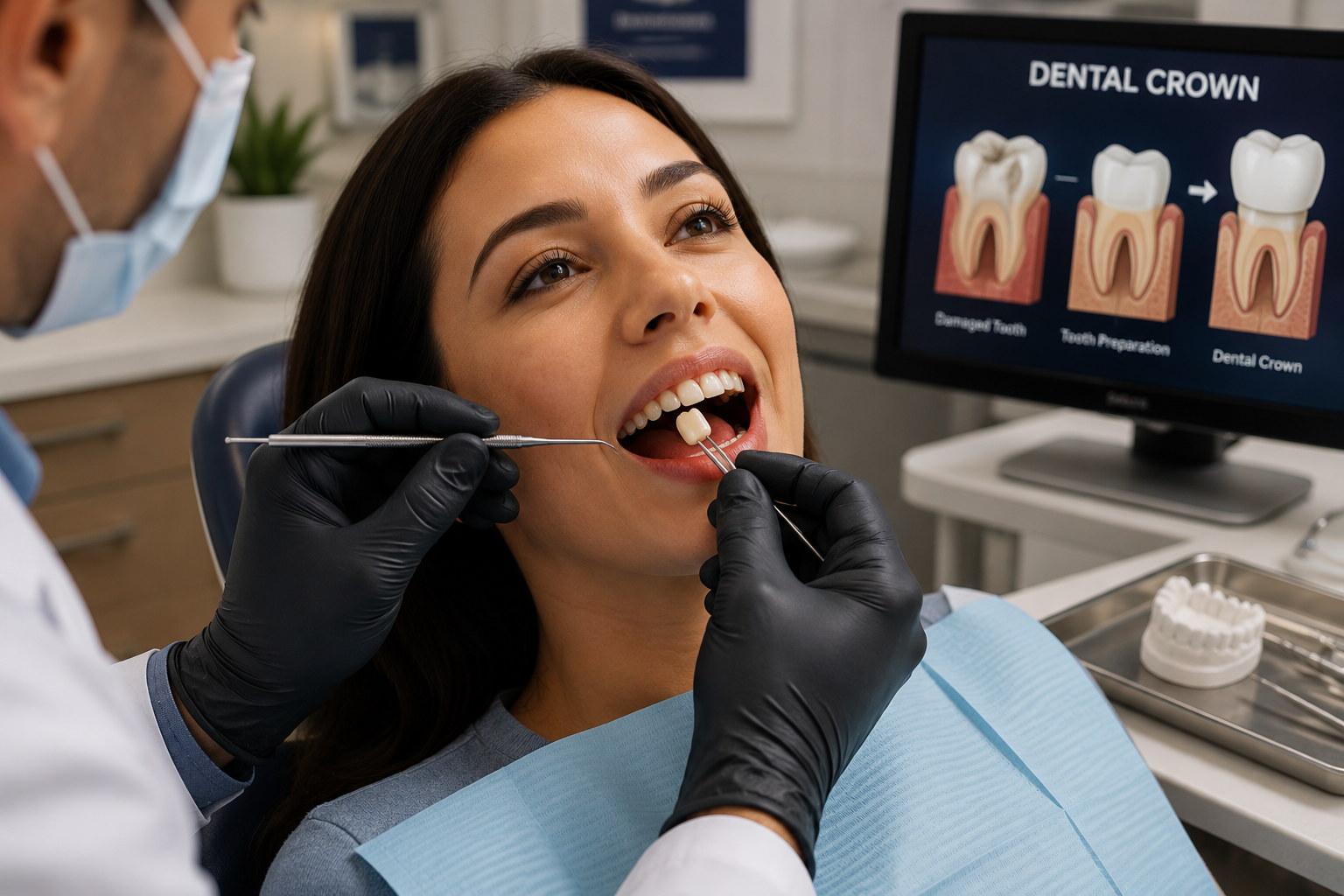
Before placing the crown, the tooth must be carefully prepared. Any decay, damaged tooth structure, or old restorative material is removed, and the remaining tooth is reshaped to create the ideal foundation for the crown.
If a significant portion of the tooth is missing, a core build-up may be performed to provide additional support and ensure a secure fit.
Step 3: Digital Impressions
Once the tooth has been prepared, precise digital impressions are taken using advanced scanning technology. These detailed images are used to fabricate your custom dental crown, ensuring an accurate fit, proper bite alignment, and a natural appearance.
Your dentist will also select a shade that closely matches your surrounding teeth for a seamless result.
Step 4: Temporary Crown Placement
Because your permanent crown is custom-made in a dental laboratory, a temporary crown is placed to protect the prepared tooth while your final restoration is being fabricated.
The temporary crown allows you to eat, speak, and smile comfortably until your next appointment. Your dentist will provide instructions on how to care for it and recommend avoiding very sticky or hard foods during this time.
Step 5: Permanent Crown Placement
At your second appointment, the temporary crown is removed, and your custom-made permanent crown is carefully fitted. Your dentist will check the crown’s shape, color, bite, and overall comfort to ensure it fits perfectly.
Once any necessary adjustments have been made, the crown is permanently bonded to your tooth using a strong dental cement. The result is a durable, natural-looking restoration that blends seamlessly with your smile.
After Your Dental Crown Procedure
Following the placement of your permanent crown, you may experience mild sensitivity for a short period, but this usually resolves within a few days. Most patients can return to their normal daily activities immediately after treatment.
With proper brushing, flossing, regular dental checkups, and good oral hygiene habits, your dental crown can provide reliable function and a beautiful smile for many years to come.
How Long Do Dental Crowns Last?
With proper care, dental crowns typically last between 10 and 15 years, although many last significantly longer.
Their lifespan depends on factors such as:
- Oral hygiene
- Diet
- Teeth grinding
- Regular dental checkups
- Overall oral health
Maintaining healthy habits helps maximize the longevity of your crown.
Caring for Your Dental Crown
Dental crowns require the same care as your natural teeth.
We recommend:
- Brushing twice daily
- Flossing every day
- Visiting your dentist every six months
- Avoiding chewing ice and hard objects
- Wearing a nightguard if you grind your teeth
- Limiting sticky candies that may loosen restorations
Proper maintenance helps protect both the crown and the underlying tooth.
Dental Crowns vs. Dental Fillings
One of the most common questions patients ask is whether they need a dental filling in woodland hills or a dental crown. While both treatments restore damaged teeth, they are used in different situations depending on the extent of the damage.
When Is a Dental Filling the Right Choice?
A dental filling is typically recommended when a tooth has a small cavity or minor damage. During the procedure, your dentist removes the decayed portion of the tooth and fills the area with a durable, tooth-colored material. Fillings preserve most of your natural tooth structure and are an excellent option for treating early-stage decay.
- Dental fillings are best for:
- Small to moderate cavities
- Minor chips or fractures
- Teeth with enough healthy structure remaining
- Early tooth decay
When Is a Dental Crown Needed?
A dental crown is recommended when a tooth has sustained significant damage or has become too weak to support a filling. Unlike a filling, which repairs only the damaged area, a crown completely covers the tooth to restore its strength, function, and appearance.
Your dentist may recommend a dental crown if:
- The tooth has extensive decay
- A large portion of the tooth is missing
- The tooth is cracked or fractured
- The tooth has been weakened after root canal treatment
- An old filling has failed or is too large to replace with another filling
- The tooth requires additional protection from future damage
Which Option Is Better?
Neither treatment is universally better—the right choice depends on the condition of your tooth. If enough healthy tooth structure remains, a filling is often the most conservative and cost-effective solution. However, when a tooth is severely damaged or weakened, a dental crown provides greater strength, durability, and long-term protection.
At Diamond Dental Spa, our dentists perform a thorough examination and use digital imaging to determine the most appropriate treatment for your individual needs. Our goal is always to preserve your natural tooth whenever possible while providing a restoration that will keep your smile healthy and functional for years to come.
Signs You May Need a Dental Crown
You should schedule an evaluation if you experience:
- Persistent tooth pain
- Cracked tooth
- Large filling that keeps failing
- Severe tooth wear
- Broken tooth
- Tooth sensitivity
- Tooth after root canal treatment
- Difficulty chewing
- Visible damage
Early treatment can prevent more extensive dental problems.
Why Choose Diamond Dental Spa for Dental Crowns in Woodland Hills?
At Diamond Dental Spa, we focus on restoring both the health and appearance of your smile. Our experienced dental team uses modern technology and high-quality materials to create crowns that fit comfortably and look natural.
- Patients choose us because we offer:
- Experienced restorative dentists
- Custom-made crowns
- Advanced digital imaging
- High-quality porcelain and zirconia materials
- Comfortable, patient-focused care
- Personalized treatment plans
- Modern dental technology
- Natural-looking restorations
Our goal is to help every patient restore their smile with durable, beautiful dental crowns designed to last.
Frequently Asked Questions
Does getting a dental crown hurt?
The procedure is typically comfortable. Local anesthesia is used during tooth preparation, and most patients experience only mild sensitivity afterward.
Can a crown replace a missing tooth?
A crown alone cannot replace a missing tooth, but it is used on top of a dental implant or as part of a dental bridge.
Will my crown look natural?
Yes. Modern porcelain and zirconia crowns are custom color-matched to blend with your surrounding teeth.
Can crowns get cavities?
The crown itself cannot decay, but the natural tooth underneath can. Good oral hygiene is essential.
How soon can I eat after getting a crown?
After your permanent crown is placed, you can usually eat once the anesthesia wears off. Avoid very sticky or hard foods for the first 24 hours.
Restore Your Smile with Dental Crowns in Woodland Hills
A damaged or weakened tooth doesn’t have to affect your confidence or oral health. Dental crowns provide a reliable, long-lasting solution that restores strength, improves appearance, and helps preserve your natural tooth for years to come.
At Diamond Dental Spa dentist in woodland hills , we are committed to delivering high-quality restorative dentistry with personalized care and exceptional results. If you have a cracked tooth, severe decay, or need to restore a dental implant, our team is here to help you regain a healthy, functional, and beautiful smile.