
A bright, healthy smile is something many people want to maintain. If your teeth have started to look yellow or stained, you may be wondering whether changing your toothpaste can help. The good news is that the right whitening toothpaste can help remove certain surface stains and keep your smile looking cleaner and brighter.

If you are searching for the best toothpaste for teeth whitening in Woodland Hills, it is important to understand what whitening toothpaste can—and cannot—do. Some toothpastes are designed to remove surface stains, while professional teeth whitening treatments are designed to produce a more noticeable change in the colour of natural teeth.

What Is Whitening Toothpaste?

Whitening toothpaste is formulated with ingredients that can help remove surface stains from the outside of your teeth. These toothpastes may contain polishing agents or other ingredients that help remove stains caused by foods, drinks, and lifestyle habits.

According to the American Dental Association, whitening toothpastes primarily work through mechanical removal of extrinsic, or surface, stains. Some may also contain low levels of peroxide.

This means whitening toothpaste can be useful for maintaining a brighter-looking smile, but it is not the same as professional teeth whitening.

What Causes Teeth to Become Stained?

Before choosing a whitening toothpaste, it helps to understand why teeth become discoloured.

Common causes of surface staining include:

  • Coffee
  • Tea
  • Red wine
  • Dark-coloured foods
  • Cola and other dark beverages
  • Tobacco use
  • Poor oral hygiene
  • Plaque buildup
  • Natural ageing

Coffee and tea are particularly common causes of surface staining. Over time, pigments from these foods and beverages can accumulate on the enamel.

Some types of discoloration occur deeper within the tooth. These are known as intrinsic stains and may be caused by ageing, certain medications, dental trauma, or other factors. Whitening toothpaste generally has limited effects on these deeper stains.
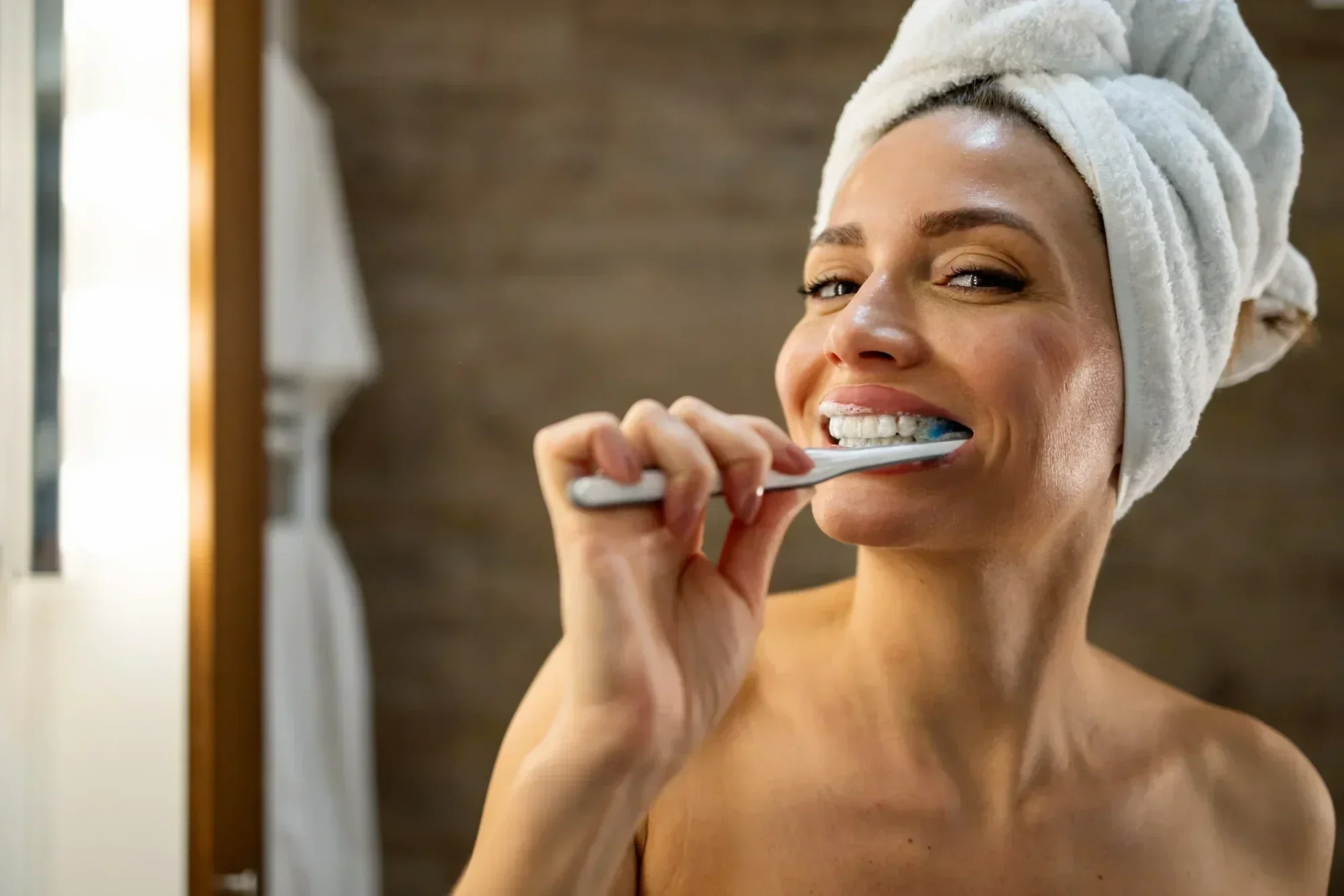
best toothpaste for teeth whitening in Woodland Hills

What Should You Look for in a Whitening Toothpaste?

There are many whitening toothpastes available, so choosing one can be confusing. Instead of focusing only on the word “whitening” on the packaging, consider the ingredients and the product’s dental claims.

1. Fluoride

Fluoride is one of the most important ingredients to look for in everyday toothpaste. It helps strengthen enamel and prevent tooth decay.

The ADA recommends fluoride toothpaste, and ADA-Accepted toothpastes making cavity-protection claims must contain fluoride.

If you want whitening benefits, look for a fluoride whitening toothpaste rather than sacrificing cavity protection for cosmetic benefits.

2. Stain-Removing Ingredients

Some whitening toothpastes contain polishing ingredients that help remove surface stains.

These ingredients can help your teeth look cleaner and brighter by removing discoloration on the enamel.

However, more abrasive does not necessarily mean better. Your goal should be effective stain removal while maintaining good everyday oral care.

3. ADA Seal of Acceptance

Another useful consideration is the ADA Seal of Acceptance.

The American Dental Association evaluates products that voluntarily apply for the Seal based on safety and effectiveness for their intended claims. Consumers can use the Seal as one way to identify products that have been evaluated against ADA requirements.

When shopping for whitening toothpaste, check the packaging and the ADA’s current product database rather than relying only on marketing claims.

What Is the Best Toothpaste for Teeth Whitening?

There is not one toothpaste that is automatically the best choice for every person.

The right toothpaste depends on your individual needs. For example, someone with healthy teeth and occasional coffee stains may want a fluoride whitening toothpaste focused on surface-stain removal.

Someone with sensitive teeth may need a toothpaste specifically formulated for sensitivity, while a person with significant discoloration may benefit more from professional whitening.

The ADA currently lists several toothpaste products that have earned its Seal in categories involving whitening, stain removal, sensitivity, and cavity protection.

Rather than choosing a toothpaste solely because it promises a “whiter smile,” consider your overall oral health and the type of discoloration you want to address.

Can Whitening Toothpaste Actually Whiten Teeth?

Yes—but there is an important distinction.

Whitening toothpaste can help remove surface stains, making teeth appear cleaner and brighter. It generally does not change the underlying natural colour of your teeth in the same way that professional bleaching treatments can.

The ADA explains that whitening toothpastes primarily address extrinsic stains and do not have a significant effect on intrinsic tooth colour.

If you have mild staining from coffee or tea, switching to an appropriate whitening toothpaste may make a noticeable difference over time.

If your teeth are naturally darker or have deeper discoloration, professional whitening may provide more significant results.

Whitening Toothpaste vs. Professional Teeth Whitening

Whitening toothpaste and professional teeth whitening serve different purposes.

Whitening Toothpaste Professional Teeth Whitening
Helps remove surface stains Designed to lighten natural tooth colour
Used as part of daily oral hygiene Cosmetic dental treatment
Results are generally more subtle Can produce more noticeable whitening
Helps maintain a brighter smile Designed for a specific whitening goal
Available over the counter Performed or supervised by a dental professional

Professional whitening treatments use bleaching agents such as hydrogen peroxide or carbamide peroxide to change the colour of the tooth.

If you want a significantly whiter smile rather than simply removing surface stains, speak with your dentist about professional teeth whitening.
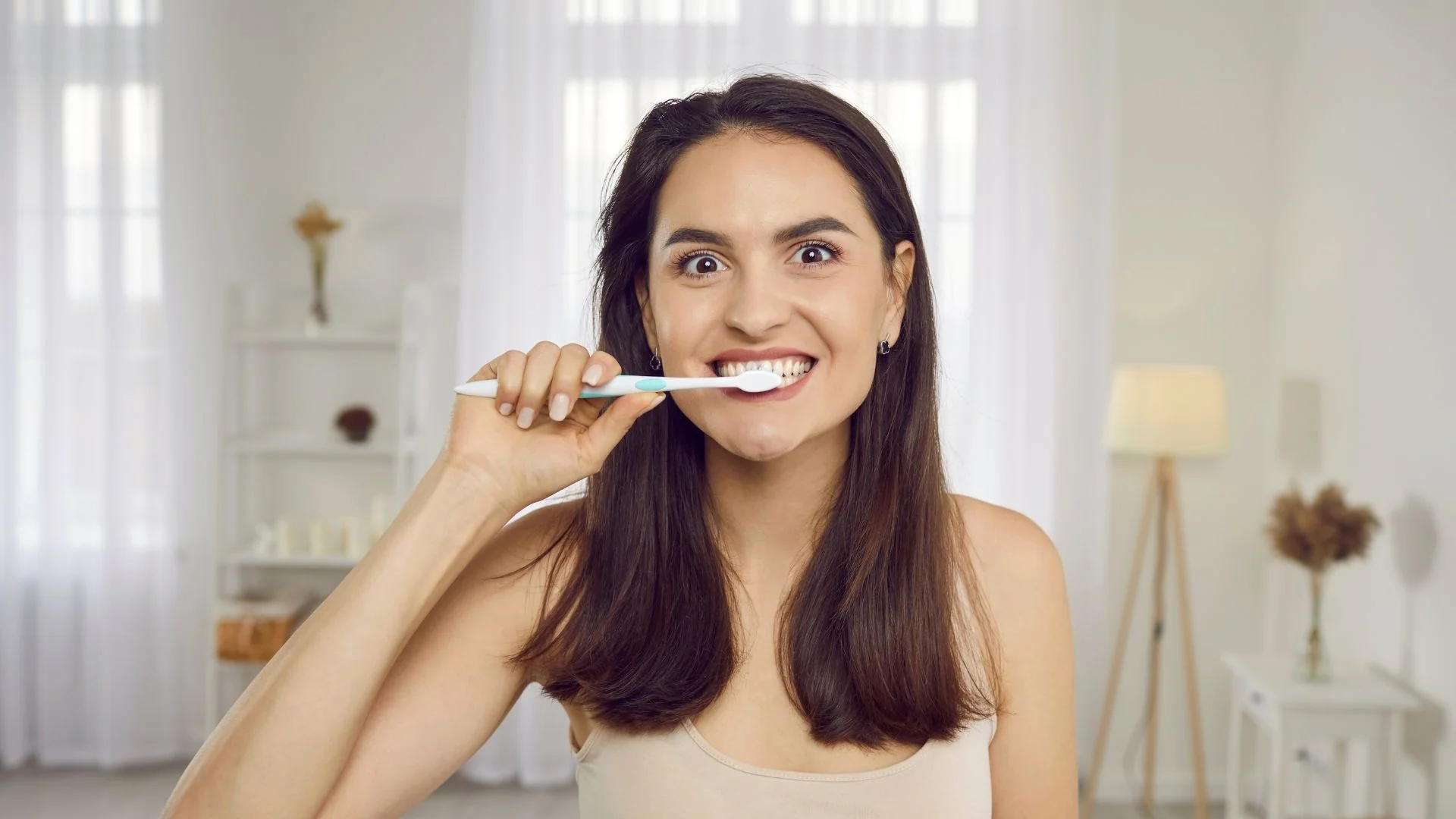
 

best toothpaste for teeth whitening in Woodland Hills

Is Whitening Toothpaste Safe?

For most people, whitening toothpaste can be safely used as directed. However, some people may experience increased sensitivity or irritation depending on the product and their individual oral health.

If you already have sensitive teeth, exposed roots, worn enamel, cavities, or gum problems, talk with your dentist before choosing a whitening product.

It is also important not to assume that using a whitening toothpaste more frequently or brushing harder will produce better results. Good brushing technique and consistent oral hygiene are more important than excessive brushing.

How to Use Whitening Toothpaste Properly

To get the most from your toothpaste:

  1. Brush your teeth twice a day.
  2. Use a soft-bristled toothbrush.
  3. Brush gently for approximately two minutes.
  4. Clean all tooth surfaces, including along the gumline.
  5. Floss or clean between your teeth daily.
  6. Follow the manufacturer’s instructions.
  7. Do not brush aggressively to try to remove stains faster.

Whitening toothpaste works best as part of a complete oral hygiene routine.

How Can You Keep Your Teeth White?

Your toothpaste is only one part of maintaining a brighter smile.

Consider these habits:

Limit Staining Foods and Drinks

Coffee, tea, red wine, cola, and dark-coloured foods can contribute to surface staining.

You do not necessarily have to eliminate them completely. Drinking water afterward can help rinse away food and beverage residue.

Maintain Good Oral Hygiene

Brushing twice daily and cleaning between your teeth can help prevent plaque buildup and keep your smile looking cleaner.

Schedule Regular Dental Cleanings

Professional dental cleanings can remove plaque and tartar that cannot be effectively removed with regular brushing. They can also help eliminate some surface stains.

Avoid Tobacco

Tobacco can contribute to significant tooth staining and can negatively affect overall oral health.

Consider Professional Whitening

If toothpaste and routine cleaning are not giving you the level of whitening you want, professional teeth whitening may be an option.

When Should You See a Dentist About Tooth Discoloration?

Not every type of tooth discoloration can be treated with toothpaste.

You should consider speaking with a dentist if:

  • A single tooth suddenly becomes darker.
  • Your teeth have deep or persistent discoloration.
  • Whitening toothpaste is not improving the appearance of your teeth.
  • You experience tooth sensitivity or pain.
  • You have visible cavities or damaged teeth.
  • You have crowns, veneers, or fillings that do not match your natural teeth.

A dental examination can help identify the cause of discoloration and determine which treatment is appropriate.

Can Whitening Toothpaste Whiten Crowns and Veneers?

Whitening toothpaste is designed primarily to remove surface stains from natural teeth. It does not change the underlying colour of dental restorations such as crowns, veneers, bridges, or fillings.

If you have restorations that are noticeably darker than your natural teeth, speak with your dentist before undergoing whitening treatment.

Frequently Asked Questions About Whitening Toothpaste

What is the best toothpaste for whitening teeth?

The best toothpaste depends on your individual needs. Look for a fluoride toothpaste designed for stain removal and consider products with the ADA Seal of Acceptance. If you have sensitivity or other dental concerns, your dentist can recommend a suitable option.

Does whitening toothpaste make teeth permanently white?

No. Whitening toothpaste primarily helps remove surface stains. It does not permanently change the natural colour of your teeth.

How long does whitening toothpaste take to work?

Results vary depending on the amount and type of staining and how consistently you use the toothpaste. Surface stains may gradually become less noticeable with regular use.

Can I use whitening toothpaste every day?

Many whitening toothpastes are designed for regular use when used according to their directions. If you develop sensitivity or irritation, stop using the product and speak with your dentist.

Is professional teeth whitening better than whitening toothpaste?

They are designed for different purposes. Whitening toothpaste mainly removes surface stains, while professional whitening uses bleaching agents to lighten the colour of natural teeth.

Can a dental cleaning remove yellow stains?

Professional cleaning can remove plaque, tartar, and certain surface stains. However, if discoloration comes from inside the tooth, professional whitening may be more appropriate.

Find the Right Whitening Solution in Woodland Hills

Choosing the best toothpaste for teeth whitening in Woodland Hills starts with understanding your individual dental needs. A fluoride whitening toothpaste can be a useful part of your daily oral hygiene routine, particularly when your main concern is surface staining.

However, toothpaste cannot address every type of discoloration. If you want a noticeably brighter smile or have persistent stains, a professional dental evaluation can help determine whether teeth whitening, professional cleaning, or another cosmetic treatment is right for you.

At Diamond Dental Spa Dentist in Woodland hills , our dental team can evaluate your smile and discuss options for improving the appearance of your teeth. If you’re considering teeth whitening in Woodland Hills, schedule a consultation to learn more about your options for achieving a brighter, more confident smile.

A bright, healthy smile is something many people want to maintain. If your teeth have started to look yellow or stained, you may be wondering whether changing your toothpaste can help. The good news is that the right whitening toothpaste can help remove certain surface stains and keep your smile looking cleaner and brighter.

If you are searching for the best toothpaste for teeth whitening in Woodland Hills, it is important to understand what whitening toothpaste can—and cannot—do. Some toothpastes are designed to remove surface stains, while professional teeth whitening treatments are designed to produce a more noticeable change in the colour of natural teeth.

What Is Whitening Toothpaste?

Whitening toothpaste is formulated with ingredients that can help remove surface stains from the outside of your teeth. These toothpastes may contain polishing agents or other ingredients that help remove stains caused by foods, drinks, and lifestyle habits.

According to the American Dental Association, whitening toothpastes primarily work through mechanical removal of extrinsic, or surface, stains. Some may also contain low levels of peroxide.

This means whitening toothpaste can be useful for maintaining a brighter-looking smile, but it is not the same as professional teeth whitening.

What Causes Teeth to Become Stained?

Before choosing a whitening toothpaste, it helps to understand why teeth become discoloured.

Common causes of surface staining include:

  • Coffee
  • Tea
  • Red wine
  • Dark-coloured foods
  • Cola and other dark beverages
  • Tobacco use
  • Poor oral hygiene
  • Plaque buildup
  • Natural ageing

Coffee and tea are particularly common causes of surface staining. Over time, pigments from these foods and beverages can accumulate on the enamel.

Some types of discoloration occur deeper within the tooth. These are known as intrinsic stains and may be caused by ageing, certain medications, dental trauma, or other factors. Whitening toothpaste generally has limited effects on these deeper stains.

best toothpaste for teeth whitening in Woodland Hills

What Should You Look for in a Whitening Toothpaste?

There are many whitening toothpastes available, so choosing one can be confusing. Instead of focusing only on the word “whitening” on the packaging, consider the ingredients and the product’s dental claims.

1. Fluoride

Fluoride is one of the most important ingredients to look for in everyday toothpaste. It helps strengthen enamel and prevent tooth decay.

The ADA recommends fluoride toothpaste, and ADA-Accepted toothpastes making cavity-protection claims must contain fluoride.

If you want whitening benefits, look for a fluoride whitening toothpaste rather than sacrificing cavity protection for cosmetic benefits.

2. Stain-Removing Ingredients

Some whitening toothpastes contain polishing ingredients that help remove surface stains.

These ingredients can help your teeth look cleaner and brighter by removing discoloration on the enamel.

However, more abrasive does not necessarily mean better. Your goal should be effective stain removal while maintaining good everyday oral care.

3. ADA Seal of Acceptance

Another useful consideration is the ADA Seal of Acceptance.

The American Dental Association evaluates products that voluntarily apply for the Seal based on safety and effectiveness for their intended claims. Consumers can use the Seal as one way to identify products that have been evaluated against ADA requirements.

When shopping for whitening toothpaste, check the packaging and the ADA’s current product database rather than relying only on marketing claims.

What Is the Best Toothpaste for Teeth Whitening?

There is not one toothpaste that is automatically the best choice for every person.

The right toothpaste depends on your individual needs. For example, someone with healthy teeth and occasional coffee stains may want a fluoride whitening toothpaste focused on surface-stain removal.

Someone with sensitive teeth may need a toothpaste specifically formulated for sensitivity, while a person with significant discoloration may benefit more from professional whitening.

The ADA currently lists several toothpaste products that have earned its Seal in categories involving whitening, stain removal, sensitivity, and cavity protection.

Rather than choosing a toothpaste solely because it promises a “whiter smile,” consider your overall oral health and the type of discoloration you want to address.

Can Whitening Toothpaste Actually Whiten Teeth?

Yes—but there is an important distinction.

Whitening toothpaste can help remove surface stains, making teeth appear cleaner and brighter. It generally does not change the underlying natural colour of your teeth in the same way that professional bleaching treatments can.

The ADA explains that whitening toothpastes primarily address extrinsic stains and do not have a significant effect on intrinsic tooth colour.

If you have mild staining from coffee or tea, switching to an appropriate whitening toothpaste may make a noticeable difference over time.

If your teeth are naturally darker or have deeper discoloration, professional whitening may provide more significant results.

Whitening Toothpaste vs. Professional Teeth Whitening

Whitening toothpaste and professional teeth whitening serve different purposes.

Whitening Toothpaste Professional Teeth Whitening
Helps remove surface stains Designed to lighten natural tooth colour
Used as part of daily oral hygiene Cosmetic dental treatment
Results are generally more subtle Can produce more noticeable whitening
Helps maintain a brighter smile Designed for a specific whitening goal
Available over the counter Performed or supervised by a dental professional

Professional whitening treatments use bleaching agents such as hydrogen peroxide or carbamide peroxide to change the colour of the tooth.

If you want a significantly whiter smile rather than simply removing surface stains, speak with your dentist about professional teeth whitening.


best toothpaste for teeth whitening in Woodland Hills

Is Whitening Toothpaste Safe?

For most people, whitening toothpaste can be safely used as directed. However, some people may experience increased sensitivity or irritation depending on the product and their individual oral health.

If you already have sensitive teeth, exposed roots, worn enamel, cavities, or gum problems, talk with your dentist before choosing a whitening product.

It is also important not to assume that using a whitening toothpaste more frequently or brushing harder will produce better results. Good brushing technique and consistent oral hygiene are more important than excessive brushing.

How to Use Whitening Toothpaste Properly

To get the most from your toothpaste:

  1. Brush your teeth twice a day.
  2. Use a soft-bristled toothbrush.
  3. Brush gently for approximately two minutes.
  4. Clean all tooth surfaces, including along the gumline.
  5. Floss or clean between your teeth daily.
  6. Follow the manufacturer’s instructions.
  7. Do not brush aggressively to try to remove stains faster.

Whitening toothpaste works best as part of a complete oral hygiene routine.

How Can You Keep Your Teeth White?

Your toothpaste is only one part of maintaining a brighter smile.

Consider these habits:

Limit Staining Foods and Drinks

Coffee, tea, red wine, cola, and dark-coloured foods can contribute to surface staining.

You do not necessarily have to eliminate them completely. Drinking water afterward can help rinse away food and beverage residue.

Maintain Good Oral Hygiene

Brushing twice daily and cleaning between your teeth can help prevent plaque buildup and keep your smile looking cleaner.

Schedule Regular Dental Cleanings

Professional dental cleanings can remove plaque and tartar that cannot be effectively removed with regular brushing. They can also help eliminate some surface stains.

Avoid Tobacco

Tobacco can contribute to significant tooth staining and can negatively affect overall oral health.

Consider Professional Whitening

If toothpaste and routine cleaning are not giving you the level of whitening you want, professional teeth whitening may be an option.

When Should You See a Dentist About Tooth Discoloration?

Not every type of tooth discoloration can be treated with toothpaste.

You should consider speaking with a dentist if:

  • A single tooth suddenly becomes darker.
  • Your teeth have deep or persistent discoloration.
  • Whitening toothpaste is not improving the appearance of your teeth.
  • You experience tooth sensitivity or pain.
  • You have visible cavities or damaged teeth.
  • You have crowns, veneers, or fillings that do not match your natural teeth.

A dental examination can help identify the cause of discoloration and determine which treatment is appropriate.

Can Whitening Toothpaste Whiten Crowns and Veneers?

Whitening toothpaste is designed primarily to remove surface stains from natural teeth. It does not change the underlying colour of dental restorations such as crowns, veneers, bridges, or fillings.

If you have restorations that are noticeably darker than your natural teeth, speak with your dentist before undergoing whitening treatment.

Frequently Asked Questions About Whitening Toothpaste

What is the best toothpaste for whitening teeth?

The best toothpaste depends on your individual needs. Look for a fluoride toothpaste designed for stain removal and consider products with the ADA Seal of Acceptance. If you have sensitivity or other dental concerns, your dentist can recommend a suitable option.

Does whitening toothpaste make teeth permanently white?

No. Whitening toothpaste primarily helps remove surface stains. It does not permanently change the natural colour of your teeth.

How long does whitening toothpaste take to work?

Results vary depending on the amount and type of staining and how consistently you use the toothpaste. Surface stains may gradually become less noticeable with regular use.

Can I use whitening toothpaste every day?

Many whitening toothpastes are designed for regular use when used according to their directions. If you develop sensitivity or irritation, stop using the product and speak with your dentist.

Is professional teeth whitening better than whitening toothpaste?

They are designed for different purposes. Whitening toothpaste mainly removes surface stains, while professional whitening uses bleaching agents to lighten the colour of natural teeth.

Can a dental cleaning remove yellow stains?

Professional cleaning can remove plaque, tartar, and certain surface stains. However, if discoloration comes from inside the tooth, professional whitening may be more appropriate.

Find the Right Whitening Solution in Woodland Hills

Choosing the best toothpaste for teeth whitening in Woodland Hills starts with understanding your individual dental needs. A fluoride whitening toothpaste can be a useful part of your daily oral hygiene routine, particularly when your main concern is surface staining.

However, toothpaste cannot address every type of discoloration. If you want a noticeably brighter smile or have persistent stains, a professional dental evaluation can help determine whether teeth whitening, professional cleaning, or another cosmetic treatment is right for you.

At Diamond Dental Spa Dentist in Woodland hills , our dental team can evaluate your smile and discuss options for improving the appearance of your teeth. If you’re considering teeth whitening in Woodland Hills, schedule a consultation to learn more about your options for achieving a brighter, more confident smile.